

The Story Beneath the Surface: Learning the Land in Three Forks
The talk around the office earlier this week was a stunning new listing in Three Forks, a home that caught everyone's eye for the wrong reason. It was priced far under market value, and at first glance, you'd never know why. The finishes were lovely, the setting even better. But after a little digging, the story unfolded: the foundation was sinking.
As it turned out, the builder had been paid to install helical piles to stabilize the foundation, a crucial step in area known for tricky soil, but deviated from the original plans. The piles were installed in a way that made them far less effective, and the result was exactly what you'd expect: slow, uneven settling that can eventually turn costly.
The northwest side of Three Forks, in neighborhoods like Wheatland Meadows and Village at Elk Ridge, has a reputation for these kinds of issues, including expansive soils that shift with moisture, fluctuating groundwater that affects wells, and even pockets of naturally occurring arsenic in the water supply.
Three Forks is a wonderful place to call home, but like anywhere, it comes with its quirks. Knowing what's beneath the surface can make all the difference. Here's how to protect yourself as a buyer and what to expect if you need to prevent or repair these kinds of issues.
Expansive Soils and Shifting Foundations
If you've ever noticed cracks in a driveway or a door that suddenly won't close right, that's often the quiet work of soil expanding and contracting beneath the surface. In parts of Three Forks, especially on the northwest side, this isn't rare, it's expected.
The soils here are clay-heavy, which means they swell when wet and shrink when dry. That constant push and pull can wreak havoc on foundations if the right supports aren't in place or if construction plans aren't followed correctly. In the case of that underpriced listing, the foundation design had the right idea, helical piles, but because they were installed incorrectly, they couldn't do their job. Over time, that small deviation turned into a serious structural issue.
Signs to Watch For
- Cracks in walls or concrete floors that widen with the seasons
- Doors or windows that suddenly stick or misalign
- Uneven floors or visible gaps between walls and trim
- Driveways or patios that slope or settle irregularly
How To Protect Yourself
- Ask for a geotechnical soils report. A qualified engineer can identify whether expansive soils are present and recommend mitigation.
- Have a professional inspect the foundation closely. Even new builds can hide shortcuts or missteps. Confirm that any helical piles or deep supports were installed as designed, and request documentation.
- Keep moisture consistent. Ironically, the best defense against soil movement is steady moisture. Avoid letting the ground dry out completely in summer or become saturated in spring.
- Plan for proactive maintenance. Good drainage, gutters that direct water away from the foundation, and proper grading make a world of difference.
Estimated Costs to Fix or Prevent
- Soils report: $2,000-$5,000
- Helical pile installation: Can vary greatly depending on location and severity but typically $10,000-$30,000, with additional tens of thousands to raise the structure in case of a repair or retrofit
- Ongoing maintenance: a few hundred dollars annually for drainage improvements or inspections
Expansive soils aren't a dealbreaker, but they do require honesty, awareness, and the right engineering from the start.
Groundwater Fluctuations and Well Reliability
Water doesn’t just sustain life; it defines how and where we build it. But in parts of Three Forks, it doesn't always behave predictably. Instead of a consistently high water table, the challenge here tends to be fluctuating groundwater levels, where wells that once produced reliability can experience seasonal changes, reduced flow, or even temporary drying.
Those fluctuations can also influence how moisture moves through the surrounding soils, contributing to foundation stress or settlement over time. The effects might not appear immediately, but over the years, that changing moisture content can take a quiet toll on homes not designed for it.
What Buyers Should Do
- Ask for well depth and yield records. Review past production rates and testing history to see if the water level has changed over time.
- Talk to nearby homeowners. Local well performance is often best understood through firsthand accounts, especially in pockets of northwest Three Forks where water levels can vary seasonally.
- Inspect for signs of moisture change. Efflorescence in crawl spaces or shifting soil around foundations can point to inconsistent groundwater activity.
- Budget for testing and maintenance. Annual water testing and occasional well inspections can help catch issues before they become serious.
If wells need to be deepened or replaced, costs can vary widely, from a few thousand dollars to tens of thousands depending on drilling depth and site access.
Arsenic in Groundwater
Three Forks sits at the confluence of the Jefferson, Madison, and Gallatin Rivers, a gorgeous meeting of waters but also a place where geology plays a bigger role than most realize.
In recent years, testing has shown that some wells in and around Three Forks contain naturally occurring arsenic levels above federal limits. The city's water supply meets EPA standards today, but residents with private wells should remain vigilant.
If You Have a Private Well:
- Test regularly. Gallatin Local Water Quality District recommends testing every 1-3 years for arsenic and other contaminants.
- Consider treatment systems like reverse osmosis or ion exchange if levels are high.
- Keep testing records to show future buyers that your water is safe and monitored.
Estimated Costs:
- Water test: $150-$400
- Whole house filtration system: $3,000-$6,000 installed
- Ongoing maintenance: about $200-$500 annually for filters and testing
Buying Smart in Three Forks
Three Forks has so much to love: the big skies, the slower pace, the proximity to rivers and recreation. But the same natural beauty that draws people here also demands respect. Understanding the land beneath your feet can save you heartbreak (and tens of thousands of dollars) down the road.
I'll be honest, up until earlier this year, I didn't fully understand the prevalence of these challenges. These aren't the kinds of things you find in a training course or on the MLS. The stories about shifting foundations, fluctuating wells, and elevated arsenic levels live quietly in inspection reports, court documents, and long threads in local Facebook groups. You really have to go looking for them, and they don't show up with a quick Google search either.
This post isn’t meant to incite fear or drive anyone away from Three Forks. It’s meant to inform and empower you to purchase with confidence. Not every home in Three Forks has these problems, and many longtime locals in these neighborhoods have never experienced them. More often than not, the issues that do surface come down to shoddy craftsmanship and cutting corners...problems that are entirely preventable with proper knowledge, care, and oversight during construction or inspection. Because the truth is, Three Forks offers so much in return: open space that still feels wild, a strong sense of community, and a slower rhythm that’s becoming harder to find closer to Bozeman.
Browse Three Forks Listings
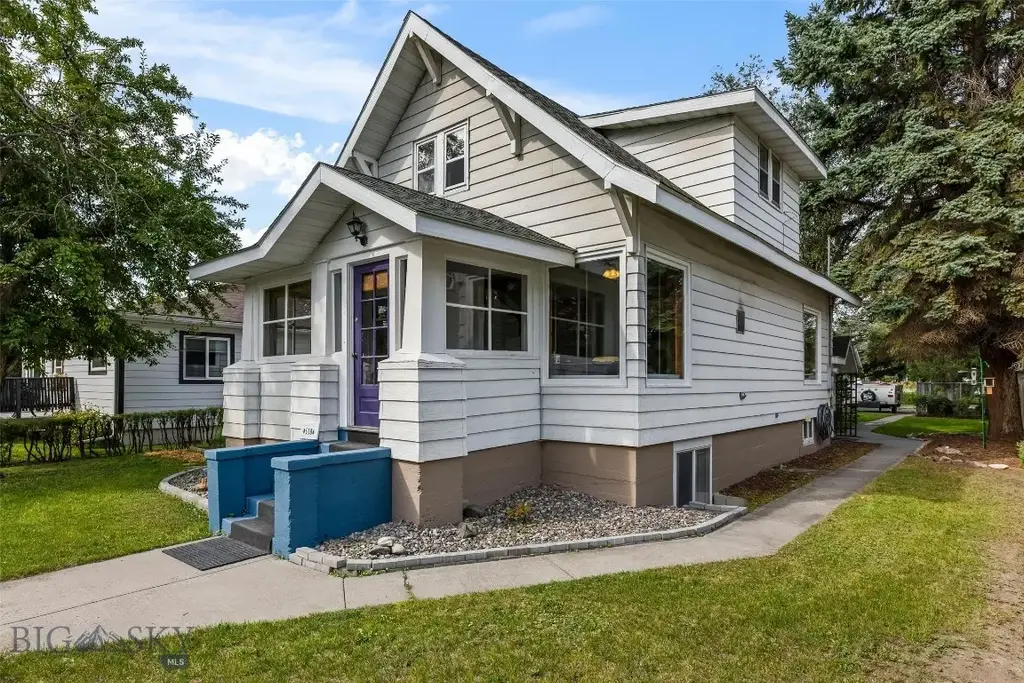
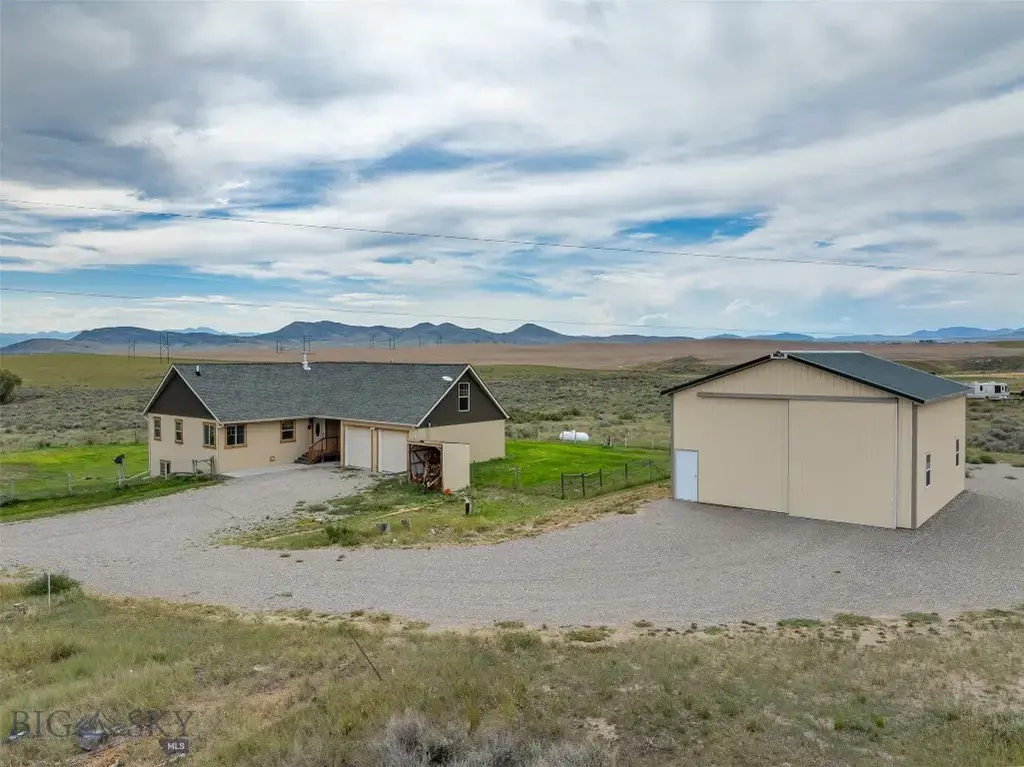
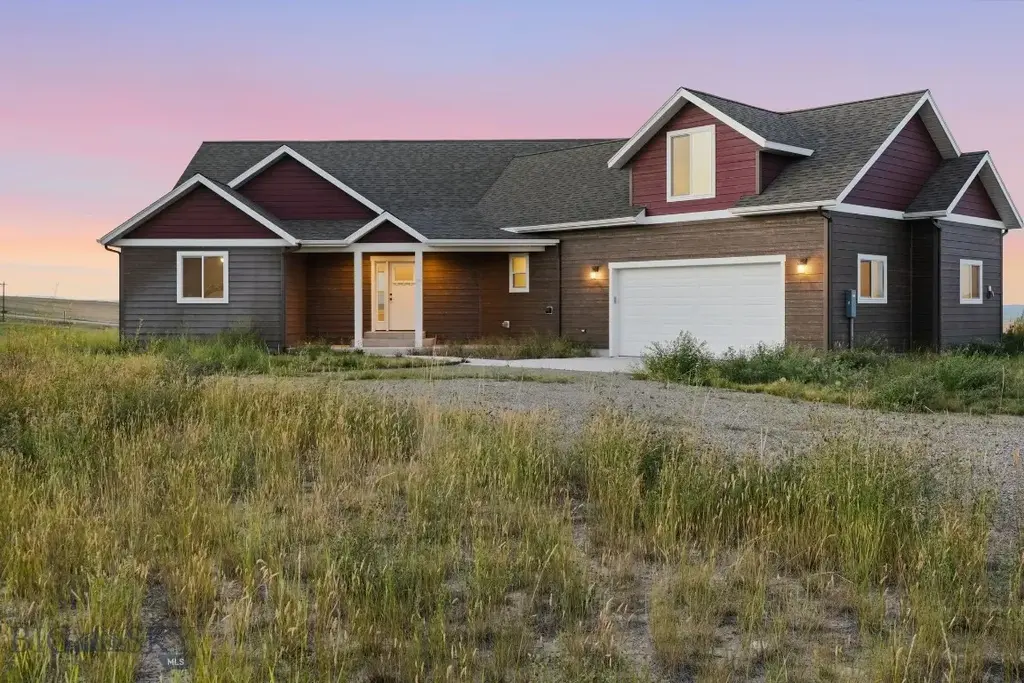

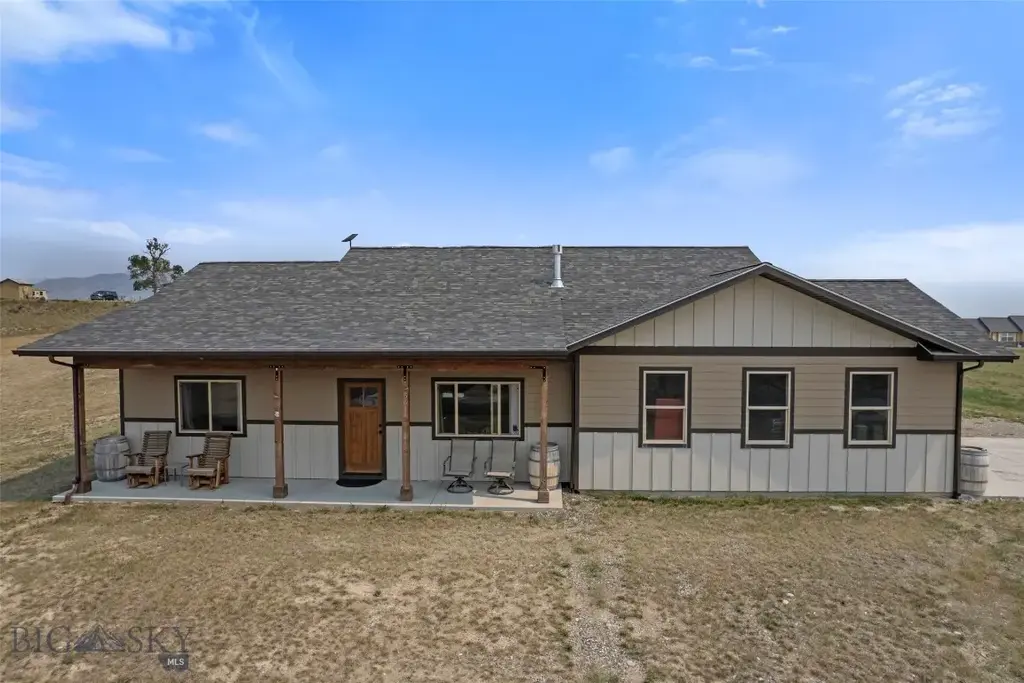

If you’re considering buying in Three Forks or just want to understand what to look for before you start touring homes, I’d love to help you navigate it all with clarity and care. Fill out the contact form below and let’s make sure you find a home that feels right, both above and below the surface.
Posted by Rachel Verdone on
Enjoy this blog post? Click here to subscribe for updates
Leave A Comment